
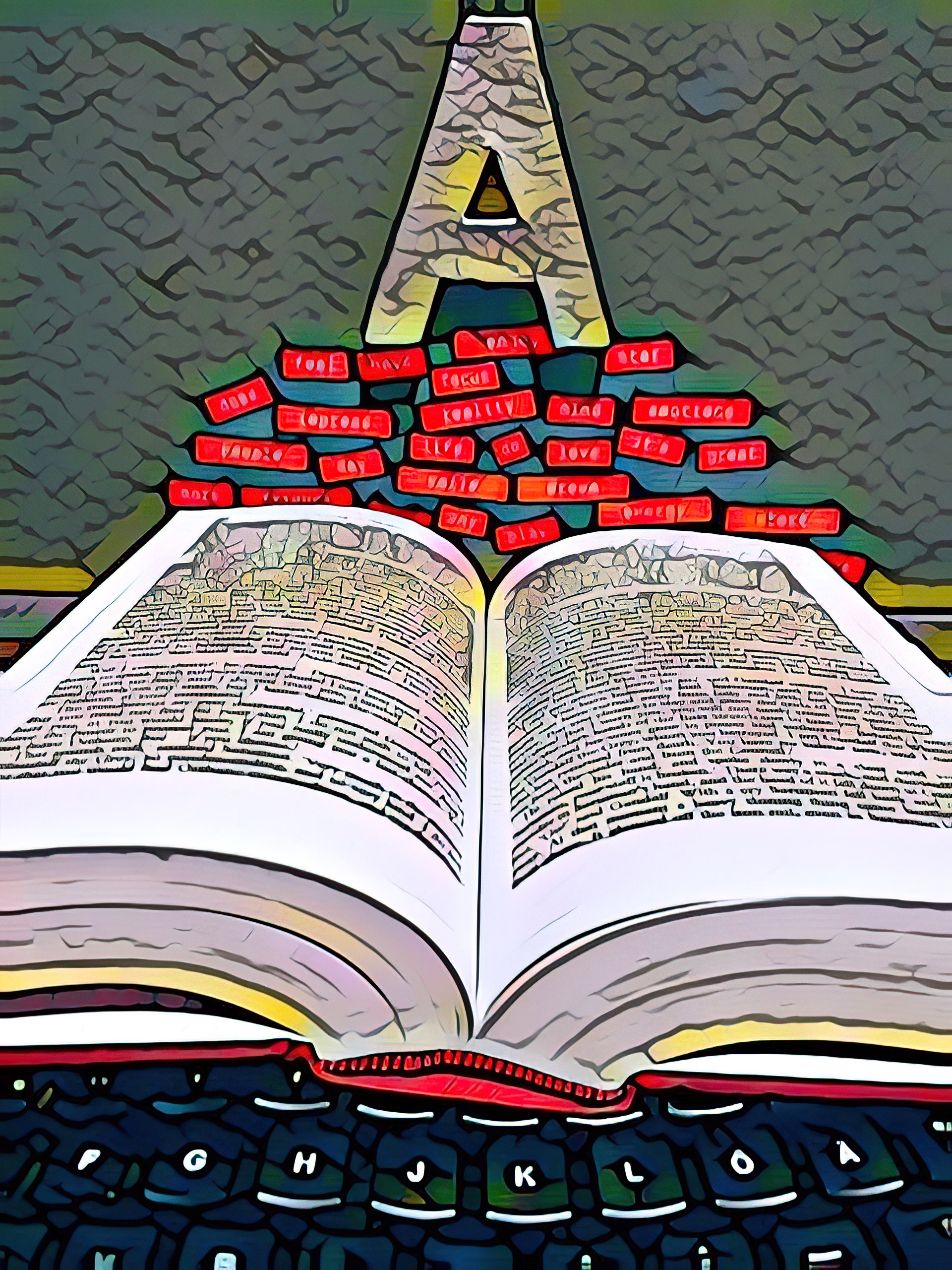
Artificial intelligence (AI) has transformed how we learn languages and communicate across borders. From instant translation to personalized lessons, AI tools make language acquisition more accessible than ever. This article breaks down practical ways to leverage AI for both fluency and seamless translation.
AI-Powered Language Learning Apps
Apps like Duolingo, Babbel, and Memrise use AI to adapt to your learning pace. They analyze your mistakes and strengths, offering tailored exercises. Speech recognition features help practice pronunciation, while AI-generated quizzes keep you engaged.
Also read: Best AI Coaching Platforms for 2024.
- Real-time feedback on grammar and vocabulary
- Adaptive learning paths based on progress
- Interactive chatbots for conversation practice
Real-Time Translation Breakthroughs
Tools like Google Translate and Microsoft Translator now offer near-instant, context-aware translations. AI understands colloquial phrases and dialects, reducing errors. These tools are invaluable for travelers, professionals, and content creators needing quick translations.
Pro tip: Use offline modes in apps like DeepL for reliable translations without internet access.
Tips for Effective AI Use in Language Mastery
Start with basic vocabulary and gradually tackle complex sentences. Combine AI tools with traditional methods like reading or speaking with native speakers. Set clear goals, such as learning 10 new words daily, to stay consistent.
Remember, AI is a supplement, not a replacement. Human interaction remains key to cultural understanding and nuanced communication.
As AI evolves, expect smarter tools that predict language patterns and teach idioms. Stay updated with platforms integrating voice-to-text and emotion recognition for richer learning experiences.
Embrace AI to break language barriers, but pair it with curiosity and practice for lasting results.
Related Articles
- Best AI Coaching Platforms for 2024
- Integrating AI into Your Small Business
- AI's Next Move: Transforming Remote Work
Featured image credit: Teresa Berndtsson (BY 4.0) via Openverse.