
The rise of accessible artificial intelligence has sparked both excitement and anxiety in publishing. For entrepreneurs and authors, AI isn’t a replacement for creativity but a powerful assistant. When used strategically, AI-generated content can streamline the book-making process, reduce expenses, and open new revenue streams. The key is to leverage the technology for efficiency while maintaining human judgment for quality, ethics, and market fit.
1. Rapid Content Creation and Drafting
The most immediate benefit of AI in book production is speed. Tools like Jasper, Sudowrite, and Claude can generate first drafts, outlines, and chapter expansions in a fraction of the time a human would take. This is particularly valuable for:
Also read: Best Free AI Agents for Everyday Tasks.
- Non-fiction how-to guides: AI can synthesize information from multiple sources to create structured drafts on popular niches like personal finance, DIY projects, or software tutorials.
- Short fiction and anthologies: Generate story ideas, character descriptions, and plot outlines. Authors can then refine the AI’s output, adding emotional depth and unique voice.
- Series content: Maintain consistency in world-building, character traits, and terminology across a book series, ensuring continuity without manual note-checking.
However, AI drafts require thorough human editing. The technology can produce plausible but generic or factually incorrect text. Your role shifts from writing every word to being a skilled editor and director, guiding the AI to produce usable raw material.
2. Cost-Effective Production and Editing
Traditional publishing involves high costs for writing, developmental editing, copyediting, and proofreading. AI can compress these stages. After generating a draft, writers can use AI-powered tools like Grammarly, ProWritingAid, or Hemingway Editor for initial grammar and style checks. This reduces the hours a human editor needs to spend on a manuscript, lowering overall production costs.
For illustrated books or children’s books, AI image generators like Midjourney or DALL-E 3 can create custom artwork, concept art, and cover designs. This eliminates the need to hire an illustrator for initial concepts, though a human designer is still essential for final layout and print-ready files. The cost savings here are significant, allowing for higher profit margins on each book sold, especially in print-on-demand models.
3. Smarter Marketing and Audience Targeting
Writing the book is only half the battle. AI excels at analyzing data and generating marketing copy, which is crucial for discoverability. Here’s how to use it:
- Ad and listing copy: Tools can generate multiple versions of book descriptions, Amazon bullet points, and social media ads to test what resonates best with your audience.
- Keyword and niche research: AI can analyze search trends and competitor data to identify underserved topics and optimal keywords for your book’s metadata, improving its visibility in online stores.
- Email sequences and newsletters: Automate the creation of engaging email content for your subscriber list, from welcome sequences to launch announcements.
Again, human strategy is non-negotiable. AI provides the raw copy; you must define the brand voice, ethical boundaries, and overall marketing strategy. Blindly publishing AI-generated marketing content can feel impersonal and damage your author reputation.
Conclusion: The Hybrid Author-Publisher Model
Making money with AI-generated books is less about fully automated publishing and more about adopting a hybrid model. Use AI to handle repetitive, time-consuming tasks—drafting, initial editing, idea generation, and marketing copy. Invest your time and money where humans are irreplaceable: in final editing for voice and nuance, in ethical oversight to avoid plagiarism or harmful content, in strategic marketing planning, and in building genuine reader relationships.
The most successful ventures will treat AI as a force multiplier for skilled professionals. By focusing on quality control, niche selection, and smart distribution, you can build a sustainable income stream. The market is increasingly aware of low-quality AI content. The winners will be those who use the technology to enhance, not replace, the human elements that make books worth reading.
Related Articles
- Best Free AI Agents for Everyday Tasks
- How to Build an AI Automation Agency
- Creating AI Influencers for Brand Deals: A Step-by-Step Guide
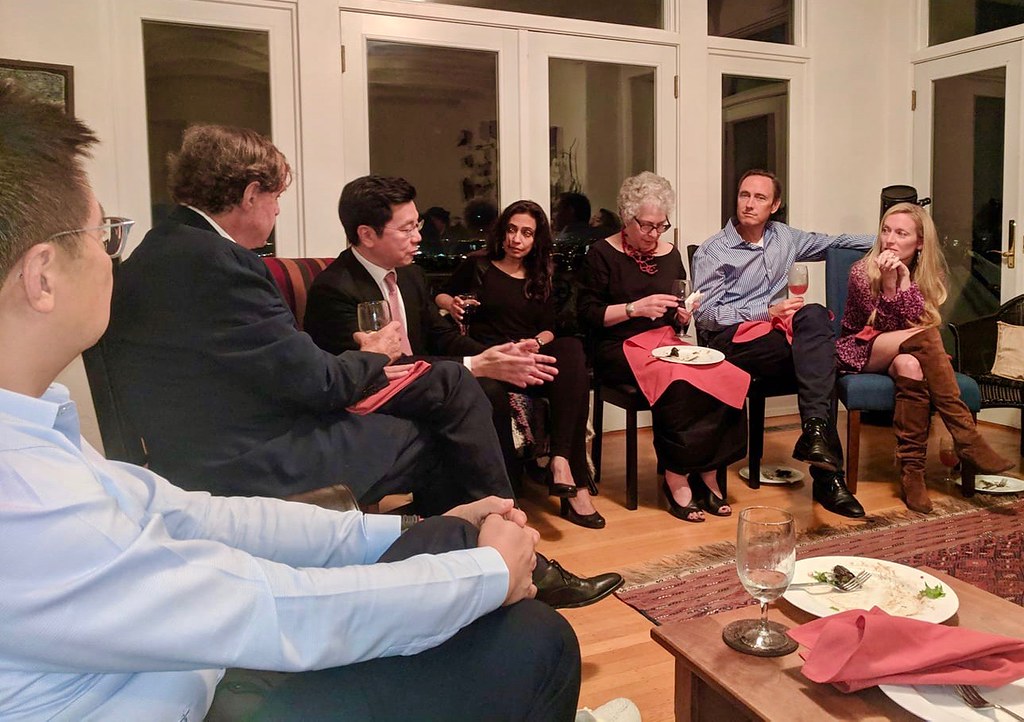
Featured image credit: jurvetson (BY 2.0) via Openverse.